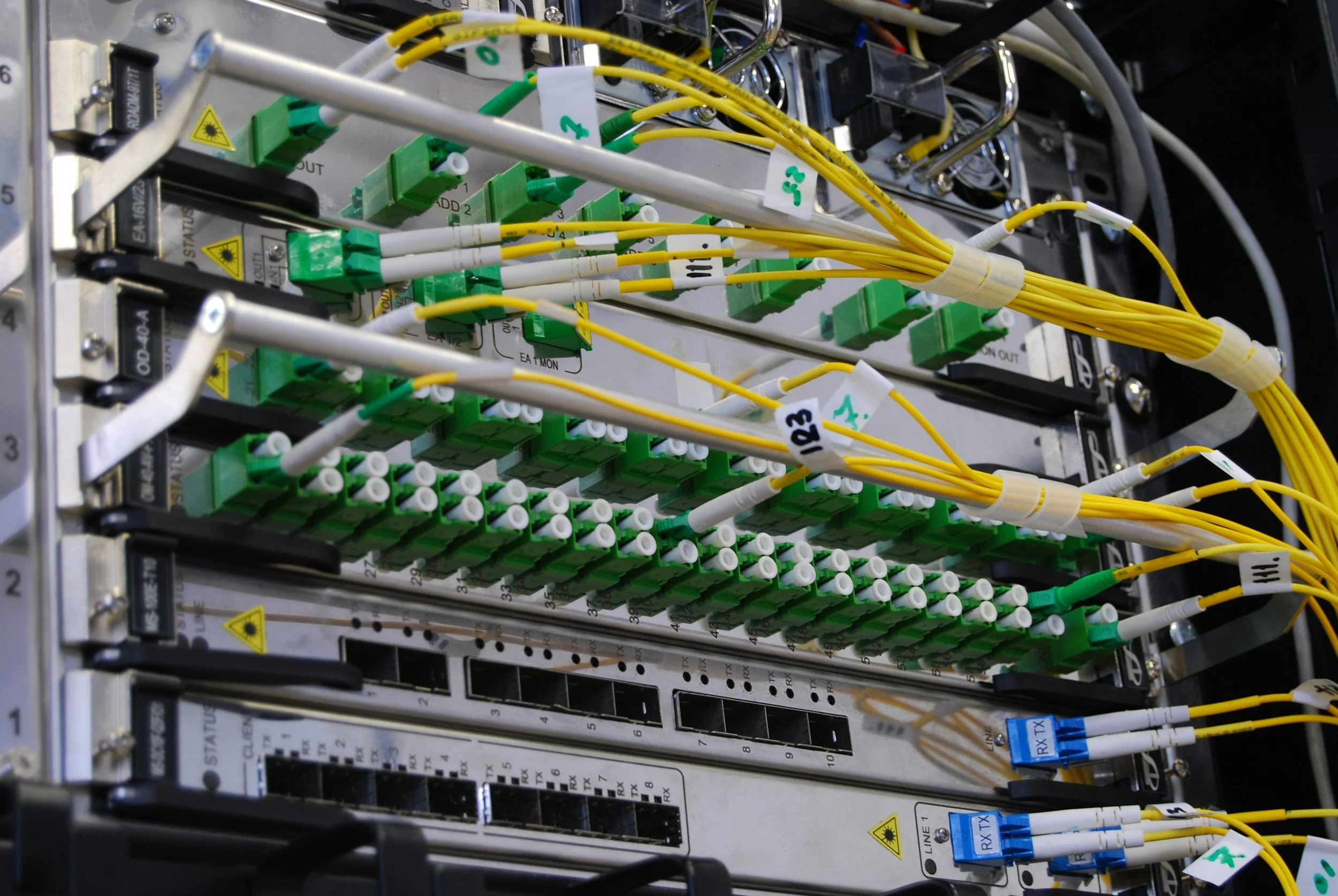
Leasing raw, unlit infrastructure—commonly known as Dark Fiber—allows organizations to rent dedicated, private fiber-optic strands. Because the customer provides and manages their own optical transmission equipment (the electronics that "light" the fiber), they gain total control over the network’s protocol, latency, security, and scalability.
While many providers offer dark fiber, high-tier wholesale offerings are distinct due to several unique structural, geographic, and operational advantages.
Most fiber providers fall into one of two categories: regional metro specialists or long-haul wholesale transit providers. Top-tier providers are unique because they maintain a massive footprint in both.
Network resilience requires physical path diversity to prevent single points of failure (like a stray backhoe cutting a main artery). Tier-1 infrastructure networks are deliberately built or acquired along unique long-haul corridors that bypass standard, heavily congested carrier routes.
A significant portion of premium intercity routes are built 100% underground.
For long-haul dark fiber, optical signals degrade over vast distances and require boosting. High-tier providers grant dark fiber customers space and 24/7 access to their In-Line Amplifier (ILA) colocation sites.
Modern infrastructure networks deploy a Remote Fiber Test System (RFTS) across their routes.
The Takeaway: Premium dark fiber isn't just about leasing glass; it’s about the sheer physical scale and unique geography of the underlying asset base, allowing organizations to future-proof their bandwidth by adjusting their own terminating electronics without ever needing to order a new circuit.